Half of grains are whole
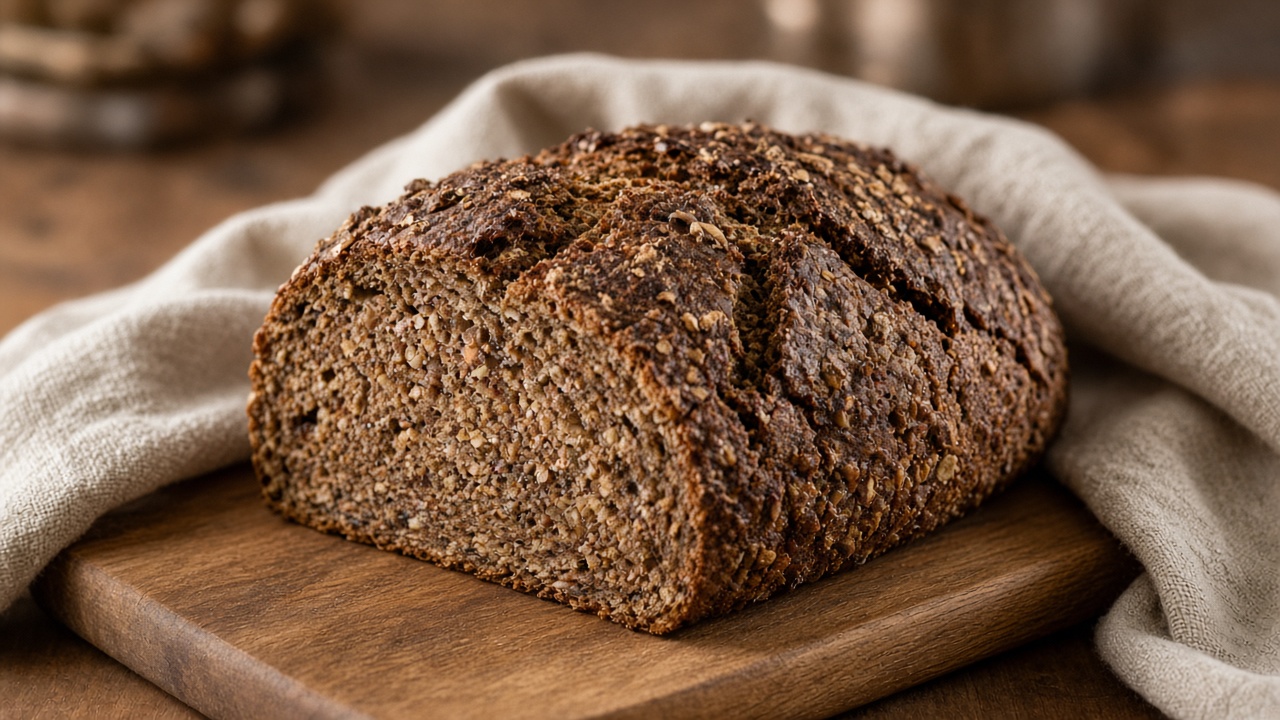
MyPlate asks that half of grains be whole. That is a share inside the grain part of the plate, not an order to eat only bread and not a replacement for 400 g of vegetables and fruit.
Where “half” falls
First the plate is divided so that vegetables and fruit take half of the whole meal. Grains are another share. Only inside that share is half whole. Whole bread across the entire plate breaks the picture from two sides: there are fewer vegetables, and “half of grains” turns into “all the grains.”
25 g of fiber a day come from food, and whole grains help it. They are not declared equal to 25 g. Dry and cooked grain weigh differently, a brand differs from the per-100 g guide, and “tripling rice” is not used.
Whole does not cancel sugar and fat
A sweet bun made from whole flour does not switch off the 10 percent share of free sugars and does not switch off added sugar from age two. Saturated fat stays under 10 percent of calories. The preference for unsaturated fats — fish, avocado, nuts, oils — is about fat, not about bread replacing fish.
DASH includes whole grains in its picture beside vegetables and fewer sweets. A whole grain there is not the only hero and not permission for a sugary drink.
The protein of a grain is not equal to 0.83
0.83 g per kg is the daily safe amount for adults, not the content of a slice. A grain can enter the day’s protein and does not have to close it alone. Plants do not contain B12, and whole bread does not contain it. When animal food is absent, a fortified food or a supplement is needed, and this page does not prescribe its dose.
The variety of protein foods in MyPlate is wider than one grain: fish, beans, nuts, dairy or fortified soy. The whole half of grains does not shorten that list.
A photo of bread does not prove “half”
A draft shows that bread was there, after the person confirms it. It does not see whether the grain is whole if the crust is equally dark, and it does not see whether half the plate was vegetables. The person clarifies that.
Walking minutes do not raise the wholeness of bread and do not replace it. Food and activity stay on different lines.
What this text draws on
- Dietary Guidelines for Americans, 2020–2025, and USDA MyPlate: a nutrient-dense pattern shaped by culture and budget; added sugars <10% of calories from age 2; saturated fat <10%; sodium <2,300 mg/day; half the plate fruits and vegetables; half of grains whole; varied protein foods; low-fat or fat-free dairy or fortified soy. Drinking less is better than drinking more; not drinking is an option.
- WHO carbohydrate guideline, 2023: at least 25 g of fiber a day for adults, from food.
- NIH Office of Dietary Supplements, vitamin B12: people who eat little or no animal food need a reliable B12 source, a fortified food or a supplement. Plants do not contain B12. This article does not prescribe a dose.
A short paraphrase of open guides and reviews (WHO, national recommendations, peer‑reviewed summaries). Not a quotation and not a treatment protocol.
Short answers
Must all bread be whole-grain?
No. The subject is half of grains, not the whole plate and not a ban on any other grain.
Does a whole-grain porridge close 25 g of fiber?
Not automatically. 25 g is the daily amount from food. One porridge is not declared equal to it, and dry and cooked weights also differ.