
Salt, blood pressure, and why DASH is a clinician conversation once treatment has started
The WHO fact sheet keeps salt under 5 g a day and includes less salt in its blood-pressure guidance. NHLBI describes DASH as an eating pattern for blood pressure, not as a medicine the reader prescribes from a paragraph. If blood-pressure treatment has already started, a plan from an article waits for a clinician. There is no blood-pressure figure in millimeters of mercury here.
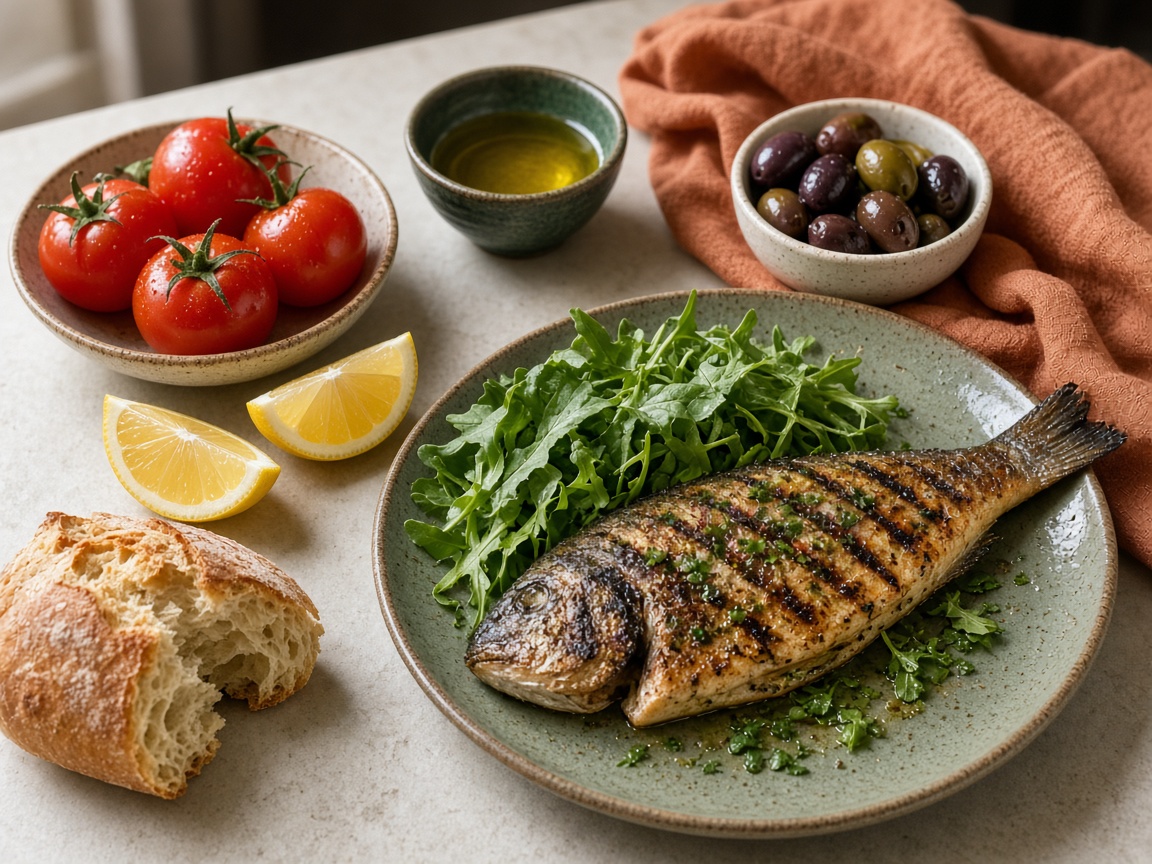
What the fact sheet says about salt
The limits that sit beside salt are the ordinary plate: fruit and vegetables at least 400 g, free sugars under 10% of energy, saturated fat under 10%, trans fat under 1%. Less salt in that text is part of the blood-pressure guidance, not a separate diet with a promised drop on the monitor.
This page does not turn 5 g of salt into a personal order, and it does not decide who should nearly eliminate salt. Five grams is the fact sheet’s population limit. A salty dinner can move the next morning’s weight by water, and that is not a blood-pressure reading.
What the DASH plate is
NHLBI builds the pattern as vegetables, fruits, whole grains, low-fat dairy, fish, poultry, beans, nuts, and vegetable oils. That is a description of a plan linked to blood pressure. It is not a course of treatment and not permission to replace medicines already prescribed.
For sodium, NHLBI names two levels: 2,300 mg and a stricter 1,500 mg version. The article does not pick one for a particular person. Once treatment has started, that choice is not made from a heading on a website.
If treatment has already started
Someone whose blood-pressure treatment is already in place does not quietly move an article’s plan into the week. The clinician comes first: what in DASH fits what is already prescribed, and which sodium level is even under discussion. Starting “from Monday, by the article” is the mistake.
The article does not teach anyone to stop a medicine because the plate moved toward vegetables. It also does not teach a one-day erasure of salt. Neither is the fact sheet, and neither is DASH. Both are a self-made change to treatment.
What this boundary does not promise
CDC’s weight-loss page says modest loss can help blood pressure, and it gives an example: 5% of 200 lb is 10 lb. That is CDC’s example about weight, not a blood-pressure number, and not a reason to start DASH without a clinician when treatment is already in place. The sources do not promise that “the soup will drop the pressure.”
A log shows sausage, sauce, cheese, and bread as food. It does not count milligrams of sodium and it does not measure pressure. The record can be taken to the conversation. It does not replace a monitor or a visit.
What this text draws on
- WHO Healthy diet fact sheet: salt <5 g/day; fruit and vegetables ≥400 g; free sugars <10% of energy; saturated fat <10%; trans fat <1%. Less salt is part of the blood-pressure guidance in that fact sheet. This page does not cite a mmHg figure.
- NHLBI DASH Eating Plan: a pattern for blood pressure — vegetables, fruits, whole grains, low-fat dairy, fish, poultry, beans, nuts, and vegetable oils; sodium 2,300 mg or a 1,500 mg version. Not a cure the reader self-prescribes. People already on blood-pressure treatment talk with a clinician before using a plan from an article.
- CDC, Steps for Losing Weight: modest loss can help blood pressure, cholesterol, and blood sugar; the example is 5% of a person at 200 lb, which is 10 lb, and that change could lower the risk of heart disease, prediabetes, and type 2 diabetes. Not a promise and not a substitute for diabetes care. Medicines affect weight — ask a clinician. Sleep: regular bed and wake times, avoid afternoon and evening caffeine, screens off at least 30 minutes before bed. Stress is part of the plan. Weight change on the page is described as modest and gradual.
A short paraphrase of open guides and reviews (WHO, national recommendations, peer‑reviewed summaries). Not a quotation and not a treatment protocol.
Short answers
Can you switch yourself to 1,500 mg of sodium?
NHLBI describes 2,300 mg and a 1,500 mg version. Choosing 1,500 once blood-pressure treatment has started belongs to a clinician, not to a paragraph. The article does not choose.
How far will blood pressure fall if you cut salt?
Neither the WHO fact sheet nor this page gives a figure in millimeters of mercury. A clinician reads blood pressure, not a photo of the plate.

