Salt and sodium: two different limits
WHO limits salt to 5 g a day. The U.S. guidelines limit sodium to 2,300 mg a day. These are not one figure written two ways, and this article does not collapse them into a single “allowed.”
Why they cannot stand in for each other
Salt on the tongue and sodium on a label are related, but the guidelines publish different thresholds in different units. Meeting “under 5 g of salt” while ignoring milligrams of sodium in sausage and bread means watching only the salt shaker.
The NHLBI DASH plan names 2,300 mg of sodium as the standard version and 1,500 mg as the stricter one. Choosing between them when hypertension is already treated is a clinician’s job, not a paragraph’s.
Where salt hides
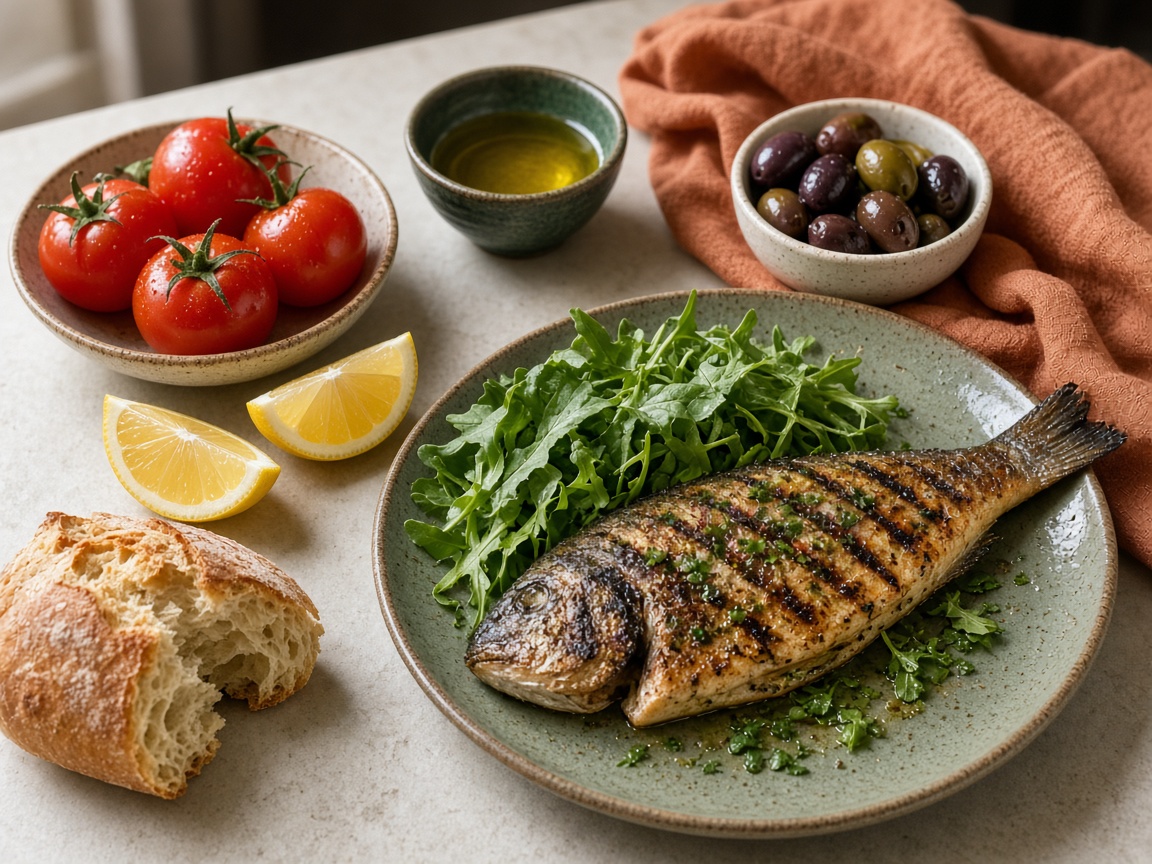
Bread, cheese, sauces, sausage, and ready meals often deliver more salt than a pinch over the plate. MyPlate and the sodium limit are about that food, not only the shaker.
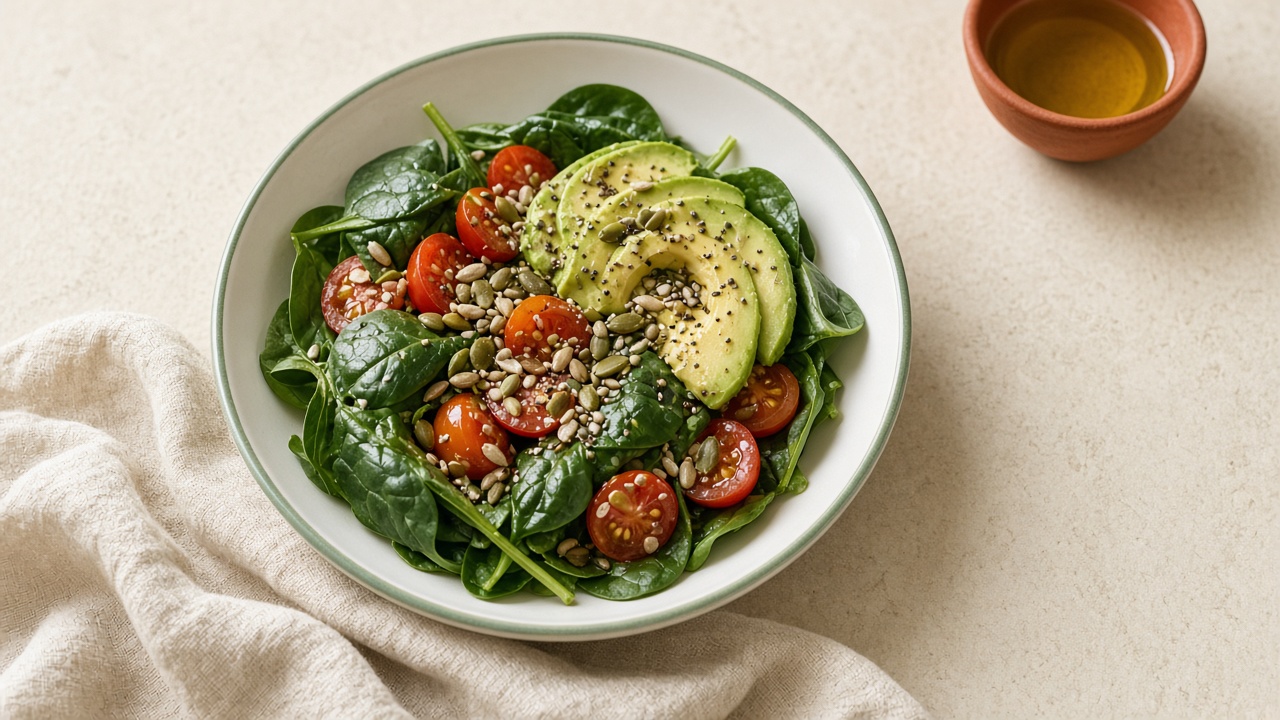
The 400 g of fruit and vegetables in the WHO fact sheet are almost without salt by themselves. They do not “cancel” a salty soup, but a plate built half from them hits the limit less often than a plate of ready snacks.
The next morning’s weight
A salty dinner holds water. The scale up does not prove fat arrived, and the scale down after a bland day does not prove fat left. CDC asks you to judge progress across days and from the log, not from one morning.
So the weight log and the salt in the food log are read together. Otherwise a person changes calories when what changed was water.
Blood pressure
WHO ties less salt to blood pressure in the same conversation about a healthy diet. That is not a promise of a specific number of millimeters and not a substitute for medicine.
If blood pressure is already treated, cutting salt “to zero from an article,” or salting freely “because of weight,” without reading the prescription, is not safe. CDC sends questions about weight and medicines to a clinician.
What this text draws on
- WHO Healthy diet fact sheet: fruit and vegetables ≥400 g/day; free sugars <10% of energy (below 5% for further benefit); fat <30%; saturated fat <10%; trans fat <1%; salt <5 g/day; unsaturated fats preferred.
- Dietary Guidelines for Americans, 2020–2025, and MyPlate: half the plate fruits and vegetables; half of grains whole; varied protein foods (seafood, meat, poultry, eggs, beans, nuts, soy); low-fat or fat-free dairy or fortified soy; added sugars <10% of calories from age 2; saturated fat <10%; sodium <2,300 mg/day.
- CDC, Steps for Losing Weight: log food and drinks; one example of a short goal is water instead of a sugary drink; if weight is not changing as hoped, revise the plan from the log.
A short paraphrase of open guides and reviews (WHO, national recommendations, peer‑reviewed summaries). Not a quotation and not a treatment protocol.
Short answers
Are 5 g of salt and 2,300 mg of sodium the same?
No. They are two limits from two guidelines, in different units. Both still apply.
If you never salt at home, is the limit met?
Not necessarily. Bread, cheese, and ready sauces often carry most of the salt. They belong in the log too.