Skin and meat fat
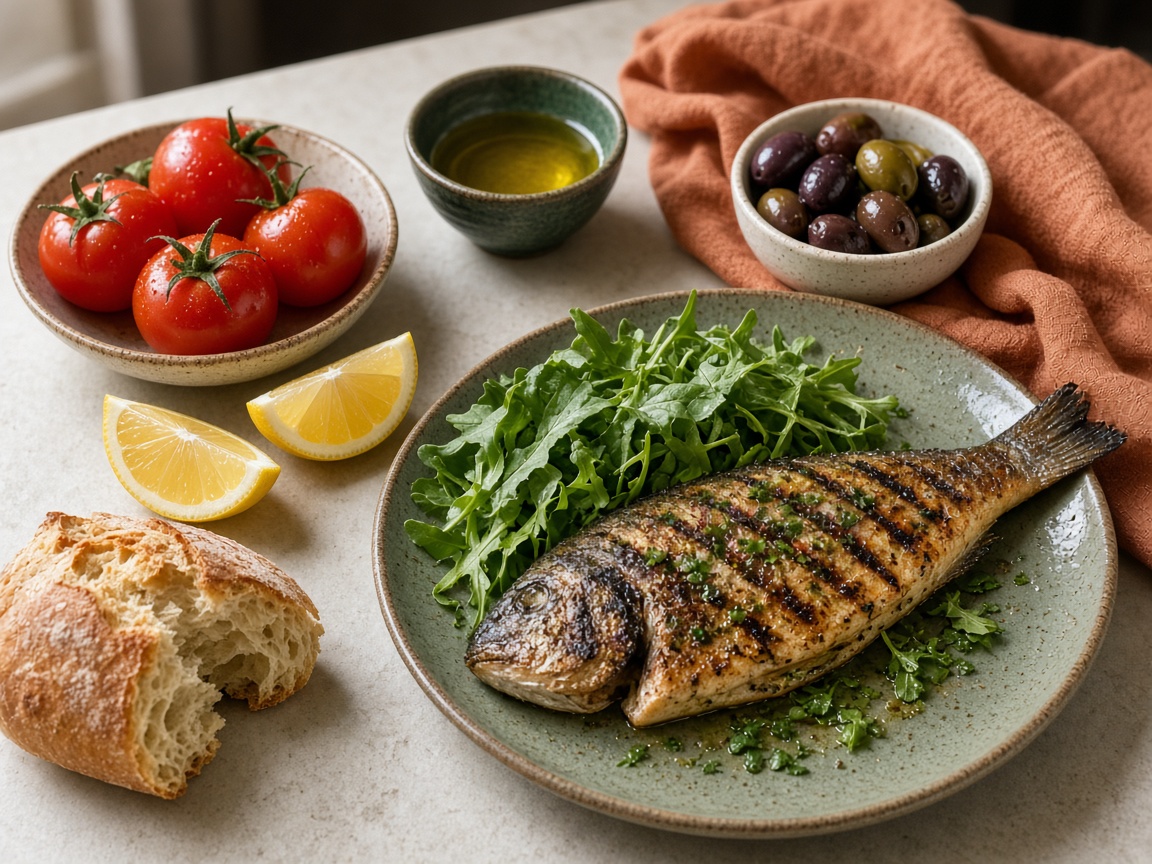
A protein food does not always arrive alone: poultry skin and a fatty cut of meat bring saturated fat with them. The WHO fact sheet points to a swap toward fish, beans, and poultry without the fatty cut, not to dropping the protein group.

One piece closes two different lines
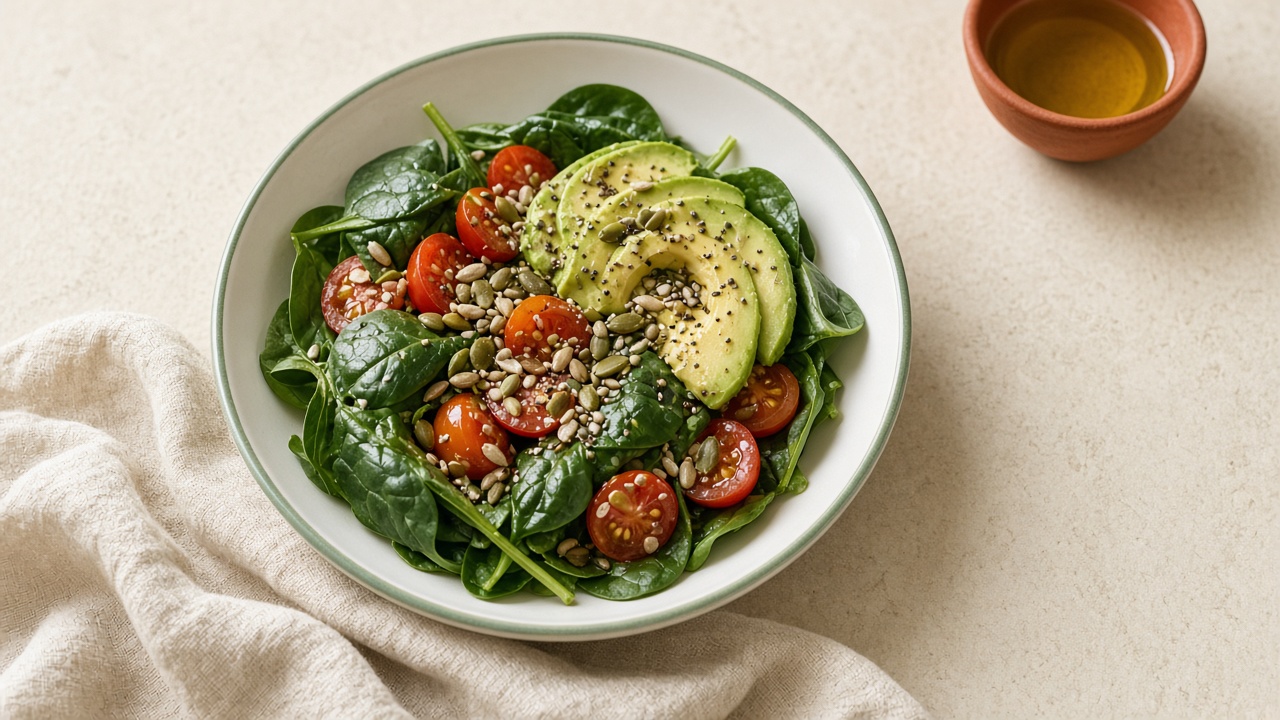
Poultry and meat sit on the MyPlate list of protein foods. Skin and visible fat belong at the same time to the fat share, which WHO keeps like this: total fat under 30% of energy, saturated fat under 10%, industrial trans fat under 1%. Unsaturated fats are preferred — fish, avocado, nuts, vegetable oils — in place of saturated fats.
The Dietary Guidelines repeat the limit of saturated fat under 10% of calories. A piece with the skin on can be an honest protein food and at the same time heavy in saturated fat. This article does not assign grams of fat in skin: that figure is not in these texts. The point is the swap, not an invented table.
Which swap is named outright
The swap the fact sheet talks about is unsaturated sources in place of saturated fats and industrial trans fats. On the plate that is fish, beans, and poultry without the fatty cut, not a slogan that meat is forbidden. The skin can come off, the fatty edge can be cut away, and the protein food can stay. The MyPlate group is kept, and the saturated-fat share is lightened.
The DASH plan builds a similar plate: fish, poultry, beans, nuts, vegetable oils, less fatty meat. It was studied for blood pressure, it is not a crash plan, and it is not permission to eat everything. This article does not give millimeters. The DASH trial compared that pattern with a typical American control diet and found lower blood pressure, without a right to transfer the result onto one skinless lunch.
Poultry without skin does not become the whole pattern
Taking the skin off is a step inside the protein food, not a completed day. Fruit and vegetables are still at least 400 g, and half the plate on MyPlate is their place. Fiber of at least 25 g for adults from food does not appear from a fillet. The safe protein level of 0.83 g per kg per day remains the daily guide for adults and is not raised because the skin was removed.
Frying in a lot of fat brings the fat share back even without skin. Vegetable oil is preferable to saturated fat, but total fat is still under 30% of energy. Breading and sauce are logged separately, otherwise the plate looks like lean poultry while the energy sits in the crust. Salt in a marinade stays inside the limit under 5 g and sodium under 2,300 mg.
How not to confuse a swap with a ban
The texts do not demand zero meat and do not declare skin a disease of its own. They keep the saturated-fat share and suggest other protein foods more often: fish, beans, poultry without the fatty cut. A day on which fatty meat appears is not erased if the other days carry the swap. The week is read from the log, not from one lunch.
Kidney disease changes the protein guide through a clinician, and removing the skin does not replace that conversation. Medicine and blood-pressure questions also go to a clinician, not to how a piece is trimmed. In the diary it is enough to note whether the skin or the fatty edge was there, so the saturated-fat share does not hide behind the word chicken.
What this text draws on
- WHO Healthy diet fact sheet: energy intake in balance with expenditure; fruit and vegetables ≥400 g/day; free sugars <10% of energy (below 5% for further benefit); fat <30%; saturated fat <10%; trans fat <1%; salt <5 g/day; unsaturated fats (fish, avocado, nuts, vegetable oils) preferred to saturated and industrial trans fats.
- Dietary Guidelines for Americans, 2020–2025, and USDA MyPlate: a nutrient-dense pattern shaped by culture and budget; added sugars <10% of calories from age 2; saturated fat <10%; sodium <2,300 mg/day; half the plate fruits and vegetables; half of grains whole; varied protein foods; low-fat or fat-free dairy or fortified soy. Drinking less is better than drinking more; not drinking is an option.
- NHLBI DASH Eating Plan: vegetables, fruits, whole grains, low-fat dairy, fish, poultry, beans, nuts, vegetable oils; less fatty meat, sweets, and sugary drinks; sodium 2,300 mg or a 1,500 mg version. Studied for blood pressure, not as a crash plan and not as permission to eat everything.
- DASH, Appel et al., NEJM 1997: a pattern higher in vegetables, fruit, and low-fat dairy and lower in saturated fat lowered blood pressure compared with a typical American control diet. Do not give millimeters of mercury.
- FAO/WHO/UNU, 2007: the safe protein level for adults is 0.83 g per kg body weight per day. A population figure, not a muscle-gain plan. Kidney disease changes it through a clinician.
- WHO carbohydrate guideline, 2023: at least 25 g of fiber a day for adults, from food.
A short paraphrase of open guides and reviews (WHO, national recommendations, peer‑reviewed summaries). Not a quotation and not a treatment protocol.
Short answers
Is chicken with skin no longer a protein food?
It remains a protein food and at the same time carries saturated fat. The swap WHO points to is poultry without the fatty cut, fish, or beans, not dropping the group.
Does removing the skin meet the fat limit?
No. It is a step inside one food. Total fat under 30% of energy and saturated fat under 10% are counted across the whole day, including oil, sauce, and other dishes.