Potato
Potato is a starchy food on the plate, not a replacement for the 400 g of fruit and vegetables WHO counts across the day. It can sit beside them as a filling part of lunch, and it does not by itself cover the MyPlate half.

Starch does not cover the 400 g
Potato is filling, familiar, and often cheap, so it is easy to write it down as a vegetable. For the WHO daily line it is a different food. At least 400 g refers to fruit and vegetables, and potato does not replace that sum. A plate on which nothing plant-based is present except potato has not reached the MyPlate half, however large the mound.
This is not a ban on serving potato. It is a refusal to call it the half that cabbage, carrots, salad, or an apple occupy. Culture and budget may leave potato as a frequent side. A frequent side still sits beside a vegetable, not in place of the 400 g line; the name "vegetable side" on a menu does not rewrite the article.
Beside, not instead
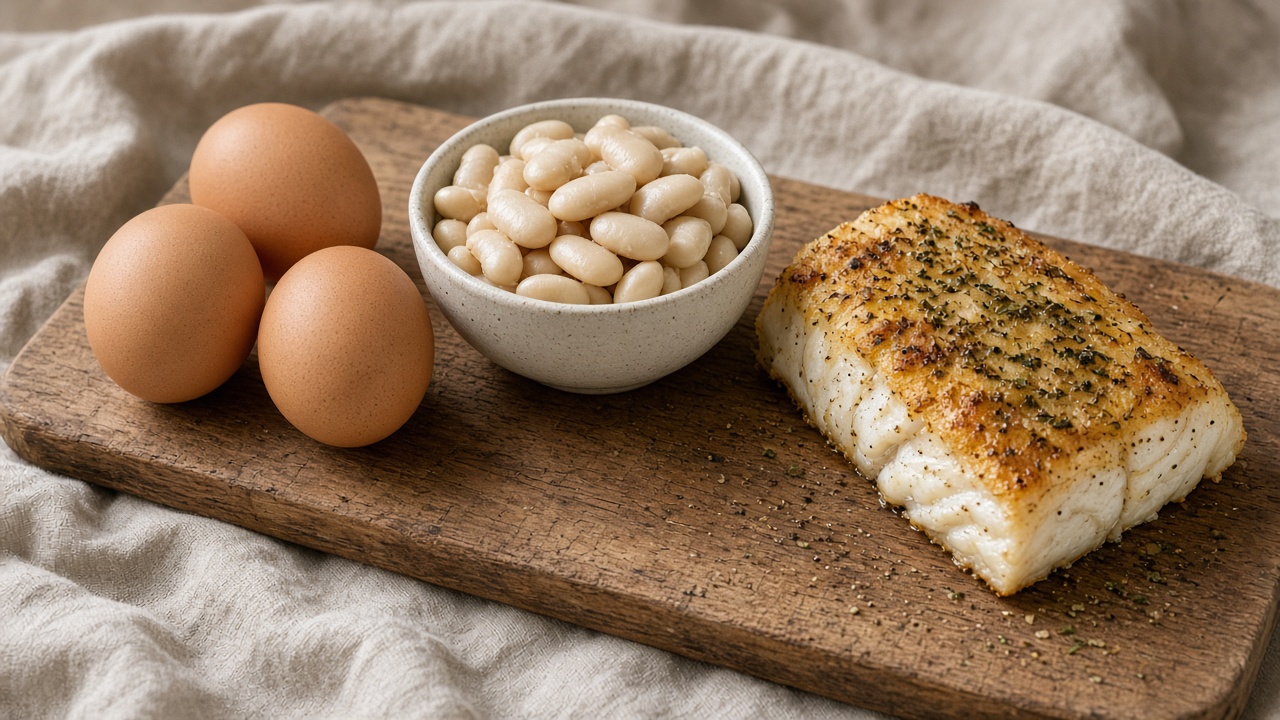
Potato has a place where the plate needs starchy fullness: beside fish, an egg, or beans, and beside a vegetable. A whole grain on another day can take a similar filling place, and the rule that half of grains are whole refers to grain, not to the tuber. Mixing those places into one pile called a side dish means losing the vegetable again.
The same fork in the road appears in soup. A broth with potato and a piece of meat does not yet contain the vegetable half, until the bowl holds a vegetable that belongs in the 400 g. Fiber of at least 25 g a day is also built from vegetables, fruit, beans, and whole grain, not from one tuber under sauce. Potato may be in the bowl; it does not have to be the only thing in it.
Boiled and fried are different dishes
Boiled potato and potato from a deep fryer share a name and are not one food. A deep fryer adds fat and can add industrial trans fat, which WHO keeps under 1% of energy. Total fat stays under 30%, saturated fat under 10%. Baking or boiling sits closer to that frame than boiling fat; the preference for unsaturated oils also covers the spoon poured over a tuber that was already boiled.
Salt on fried potato belongs to the limit of less than 5 g of salt a day, even if the person did not salt the tuber itself. Sodium under 2,300 mg is a separate line, and the article does not translate the salt of the fryer into milligrams of sodium. A sweet sauce on the potato spends free sugars under 10% of energy. The tuber, the oil, the salt, and the sauce are logged separately, or the diary is left with the single word potato.
A database row is not the plate
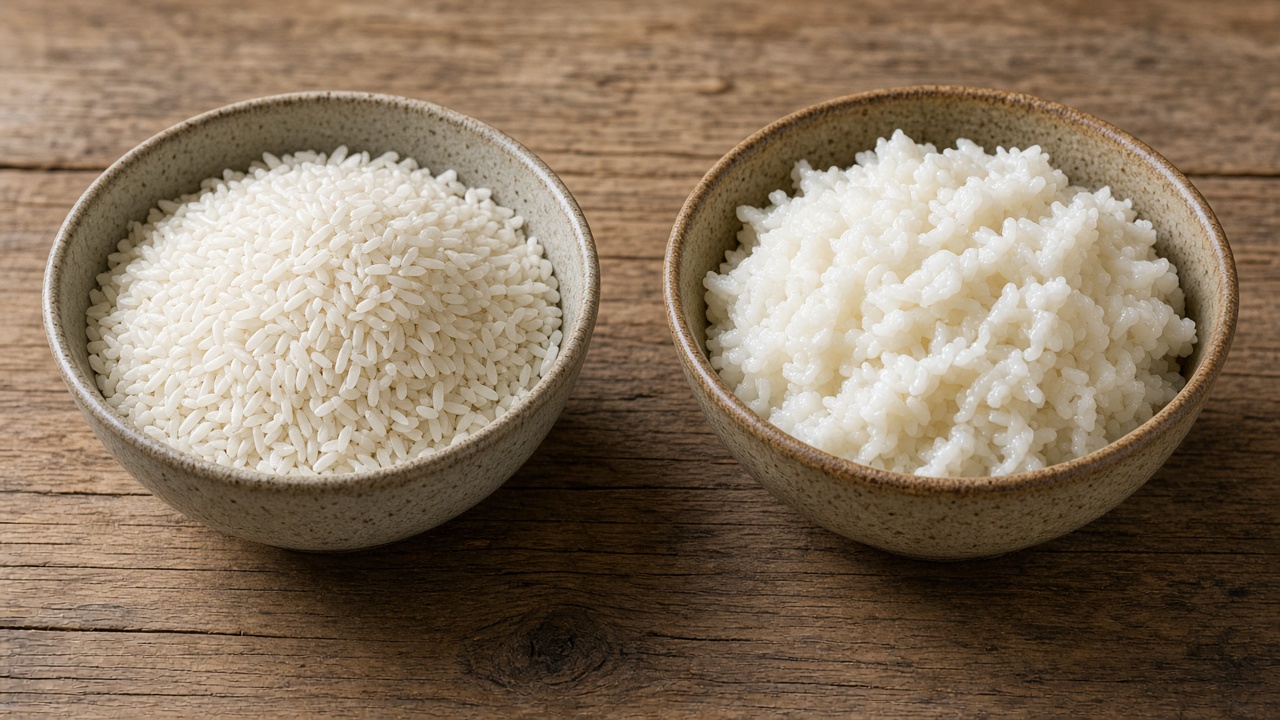
FoodData Central gives guides per 100 g, and brands differ. A dry-food row is not a finished portion, because water changes the weight: that is true of a dry mix and of a boiled tuber. This article does not offer a factor in the spirit of "rice triples" for potato either. Comparing boiled and fried against one dry row means losing both the water and the oil.
The label on frozen potato states energy per labeled serving, and a bag can contain several servings. A labeled serving is not always 100 g. A photo of the plate in ScanDish stays a draft until the person confirms the meal and the day and says whether it was a boiled portion or a fried one. The draft does not decide whether vegetables beside it entered that same 400 g.
What this text draws on
- WHO Healthy diet fact sheet: energy intake in balance with expenditure; fruit and vegetables ≥400 g/day; free sugars <10% of energy (below 5% for further benefit); fat <30%; saturated fat <10%; trans fat <1%; salt <5 g/day; unsaturated fats (fish, avocado, nuts, vegetable oils) preferred to saturated and industrial trans fats.
- Dietary Guidelines for Americans, 2020–2025, and USDA MyPlate: a nutrient-dense pattern shaped by culture and budget; added sugars <10% of calories from age 2; saturated fat <10%; sodium <2,300 mg/day; half the plate fruits and vegetables; half of grains whole; varied protein foods; low-fat or fat-free dairy or fortified soy. Drinking less is better than drinking more; not drinking is an option.
- WHO carbohydrate guideline, 2023: at least 25 g of fiber a day for adults, from food.
- USDA FoodData Central: guides per 100 g; brands differ. A dry-food row is not a cooked portion, because water changes the weight. Do not use a “rice triples” factor.
- FDA Nutrition Facts: energy is stated per labeled serving; a package can contain several servings. A labeled serving is not always 100 g.
A short paraphrase of open guides and reviews (WHO, national recommendations, peer‑reviewed summaries). Not a quotation and not a treatment protocol.
Short answers
Does potato count toward the 400 g of fruit and vegetables?
No. It is a starchy food, and it does not replace that sum of fruit and vegetables. A vegetable and a fruit are still needed beside it.
Can fried and boiled potato be logged as one row?
No. Oil, salt, and the way of cooking change the dish. Water changes the weight, and this article does not use a rice-style factor.