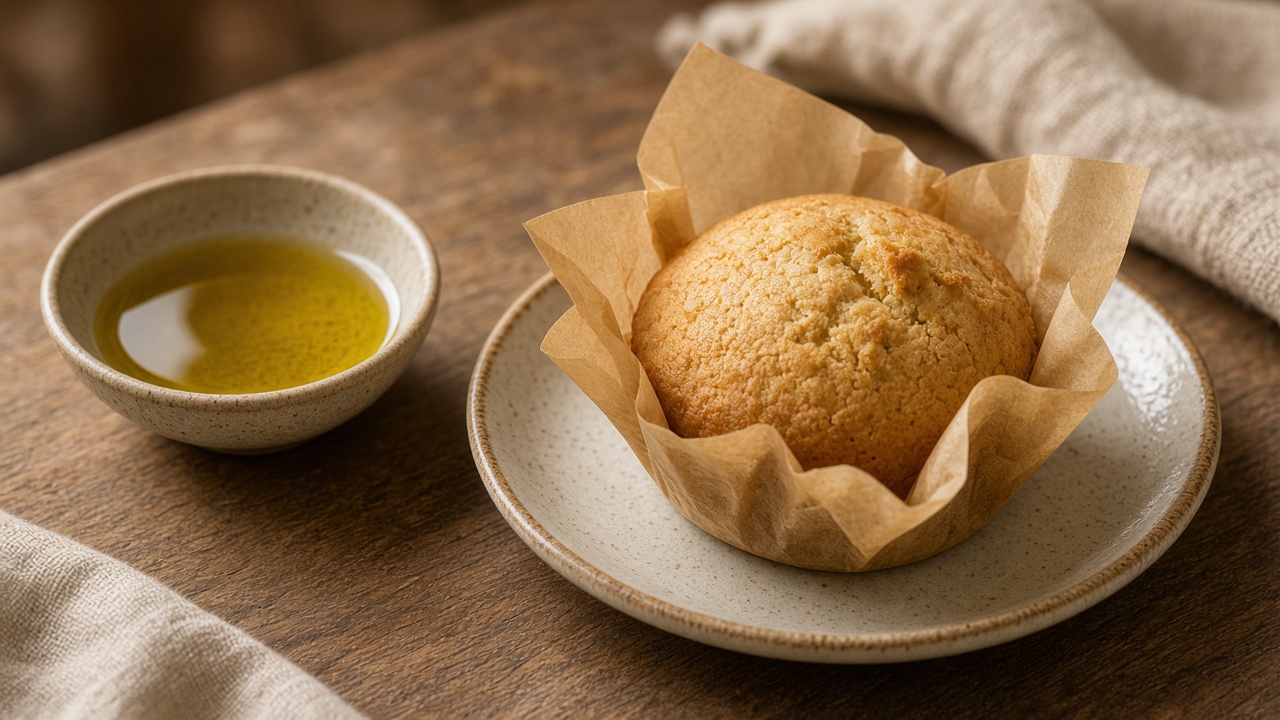
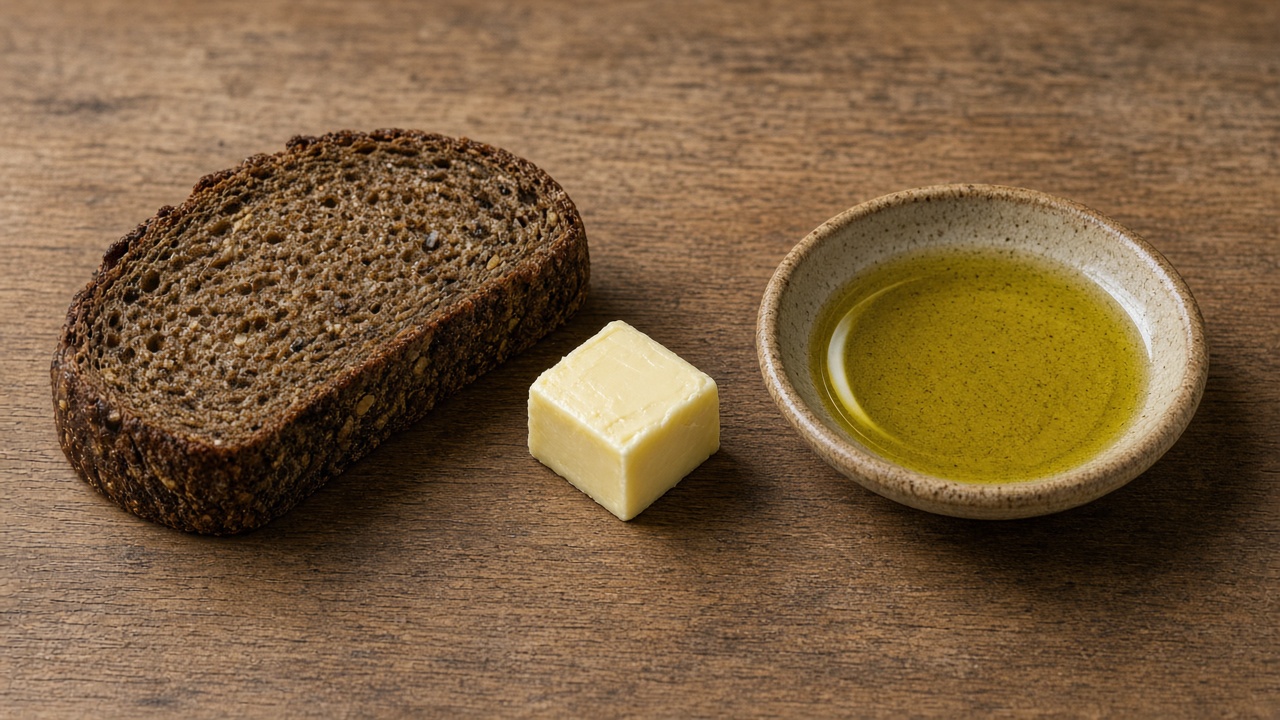
Fat under 30%, saturated fat under 10%, trans fat under 1%
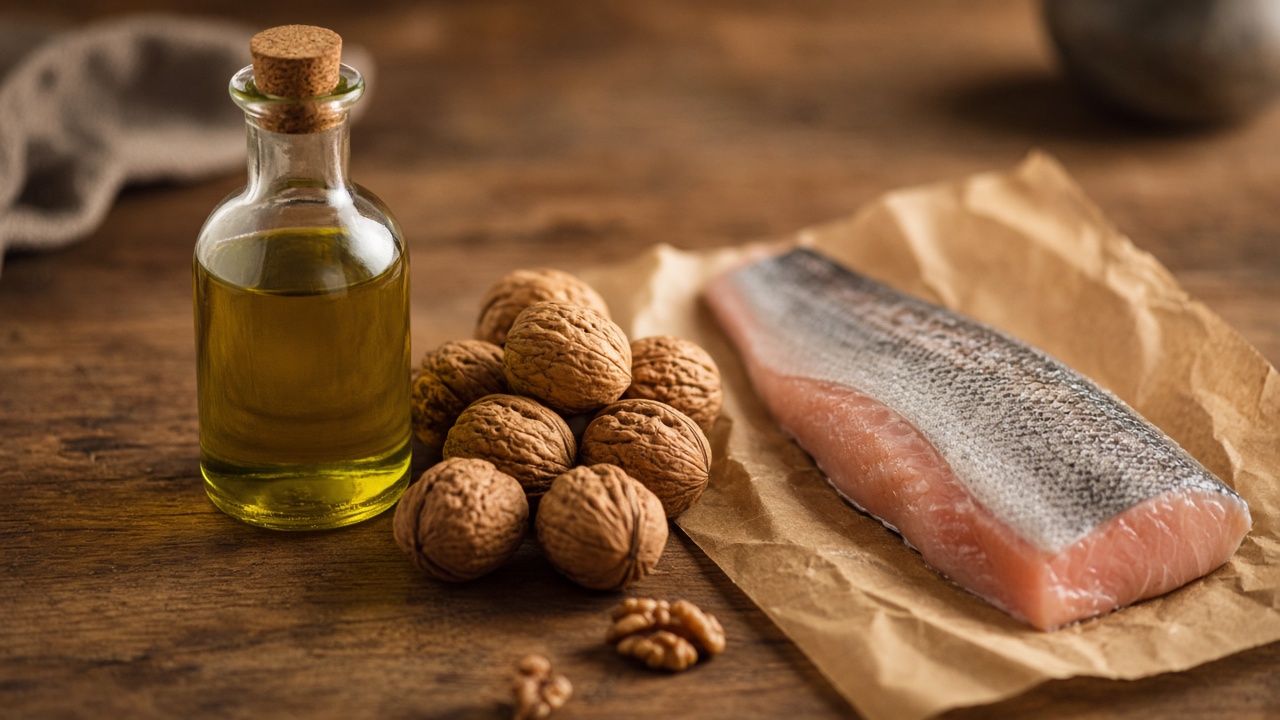
The WHO fact sheet splits fat into three limits: all fat under 30 percent of energy, saturated fat under 10 percent, industrial trans fat under 1 percent. Preference goes to unsaturated fats: fish, avocado, nuts, vegetable oils.
Why this is not the slogan “fat is forbidden”
Thirty percent is the top of a share of energy, not zero. Below that share, fat remains in the diet. The source separately asks to prefer unsaturated fats to saturated fats and industrial trans fats. Fish, avocado, nuts, and vegetable oils are named as examples of that preference, not as the only menu.
The Dietary Guidelines keep saturated fat under 10 percent of calories, in the same direction as WHO. That is not a second, harsher ban on olive oil. Oil in the WHO example is among the preferred fats, not among the trans fats.
Trans fat is the narrowest share
Under 1 percent of energy is about industrial trans fat, not about any fat in a pan. Confusing it with nuts and oil erases the distinction the fact sheet is careful to draw. This page does not name brands and does not declare a homemade broth a trans fat.
Saturated fats sit between “all fat” and trans fats: under 10 percent. DASH describes a plan with less fatty meat and fewer sweets, and with vegetable oils. That agrees with the preference for unsaturated fats and is not a rapid weight-loss scheme.
The shares are not subtracted from a workout
Walking minutes do not give permission to exceed 30 percent, and skipping oil does not replace 150 moderate minutes. Food and activity live in different paragraphs of these sources. A healthy weight is mentioned among the outcomes of movement, not as a formula of “minus oil equals minus a kilogram.”
A photo of a plate in ScanDish can show fish or oil only as a draft, until the person confirms the meal and the day. A picture does not calculate a percent of energy by itself. A label, if one looks at the serving, speaks about the package serving, not about the whole day.
For whom the shares do not replace an instruction
An illness in which a clinician has already limited fat differently is not rewritten by the fact sheet. 30, 10, and 1 are population shares for describing a diet, not an individual prescription slip.
PREDIMED compared a Mediterranean pattern with extra-virgin olive oil or with nuts against advice to eat less fat, in people who already had high cardiovascular risk. The Mediterranean groups had fewer major events. It was not a weight-loss trial, and this page does not give a percent or a hazard ratio. Oil in that trial was not a “violation” of the line about unsaturated fats.
What this text draws on
- WHO Healthy diet fact sheet: energy intake in balance with expenditure; fruit and vegetables ≥400 g/day; free sugars <10% of energy (below 5% for further benefit); fat <30%; saturated fat <10%; trans fat <1%; salt <5 g/day; unsaturated fats (fish, avocado, nuts, vegetable oils) preferred to saturated and industrial trans fats.
- Dietary Guidelines for Americans, 2020–2025, and USDA MyPlate: a nutrient-dense pattern shaped by culture and budget; added sugars <10% of calories from age 2; saturated fat <10%; sodium <2,300 mg/day; half the plate fruits and vegetables; half of grains whole; varied protein foods; low-fat or fat-free dairy or fortified soy. Drinking less is better than drinking more; not drinking is an option.
- PREDIMED, Estruch et al., NEJM: adults who already had high cardiovascular risk. A Mediterranean pattern with extra-virgin olive oil or with nuts was compared with advice to eat less fat. The Mediterranean groups had fewer major cardiovascular events. The 2013 paper was retracted and republished in 2018 because of randomization problems; the republication kept the finding of fewer events. Not a weight-loss trial. Do not give a percent or a hazard ratio.
A short paraphrase of open guides and reviews (WHO, national recommendations, peer‑reviewed summaries). Not a quotation and not a treatment protocol.
Short answers
Is olive oil forbidden because it is fat?
No. WHO places vegetable oils among the preferred unsaturated fats. The limits are shares: all fat under 30 percent of energy, saturated fat under 10, industrial trans fat under 1.
Should fat be avoided entirely?
The fact sheet does not ask for that. It limits the share and asks for unsaturated fats instead of saturated fats and industrial trans fats.