Industrial trans fats are under 1% of energy
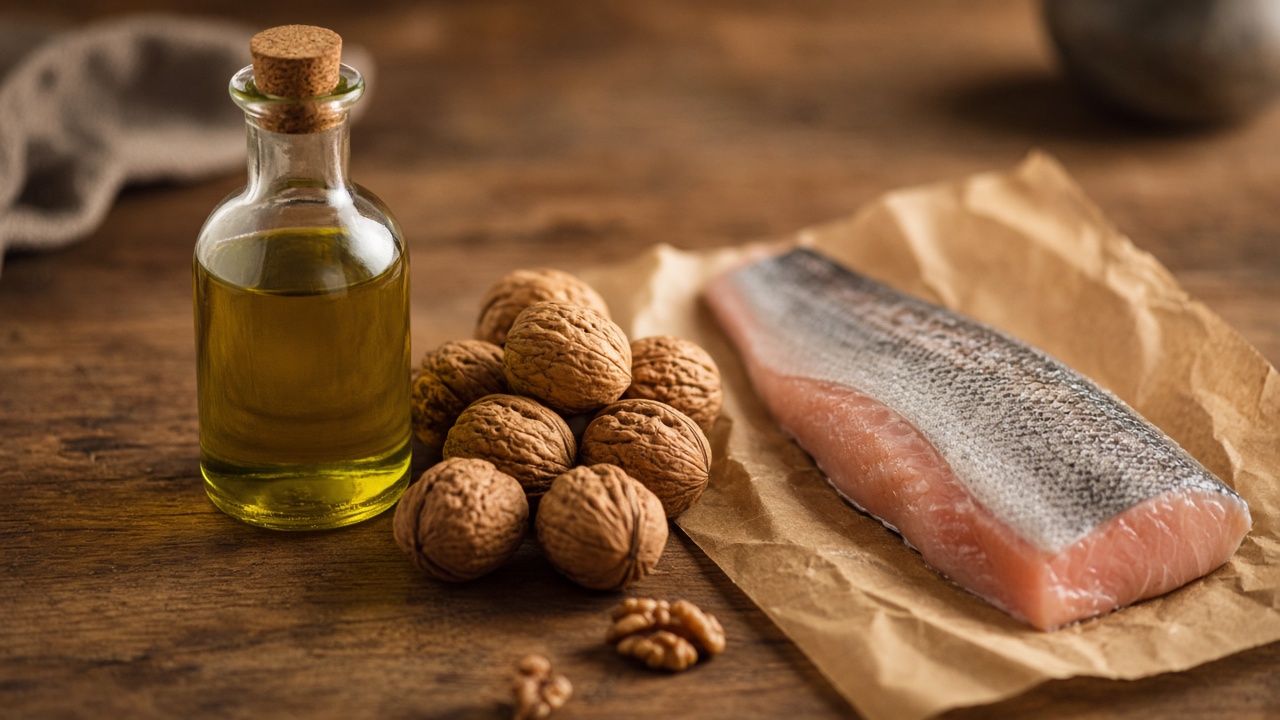
WHO limits industrial trans fats to one percent of energy. That is not the same as all fat to 30 percent and not the same as saturated fat to 10. Vegetable oils, fish, avocado, and nuts sit on the other side of that line, as the preferred unsaturated fats.
Why the share is so narrow
One percent is a ceiling for industrial trans fat, not a target to be filled, and not a description of home cooking oil. Confusing trans fat with olive oil means paraphrasing the fact sheet backwards. PREDIMED included extra-virgin oil in the Mediterranean group and was not a trial in favor of industrial fat.
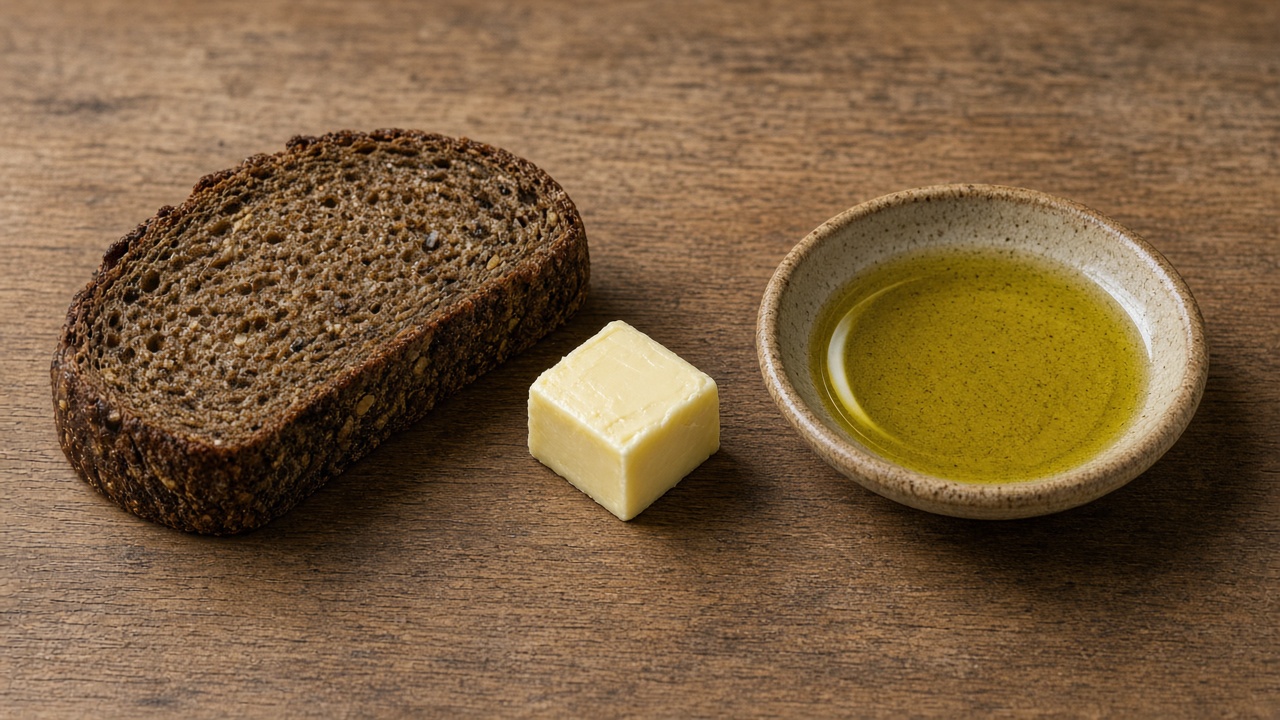
Saturated fat at 10 percent stays a separate shelf. Butter does not become a trans fat because it is fatty, and it does not become “unlimited” because it is not a trans fat. The three shelves live at the same time.
The label and the day
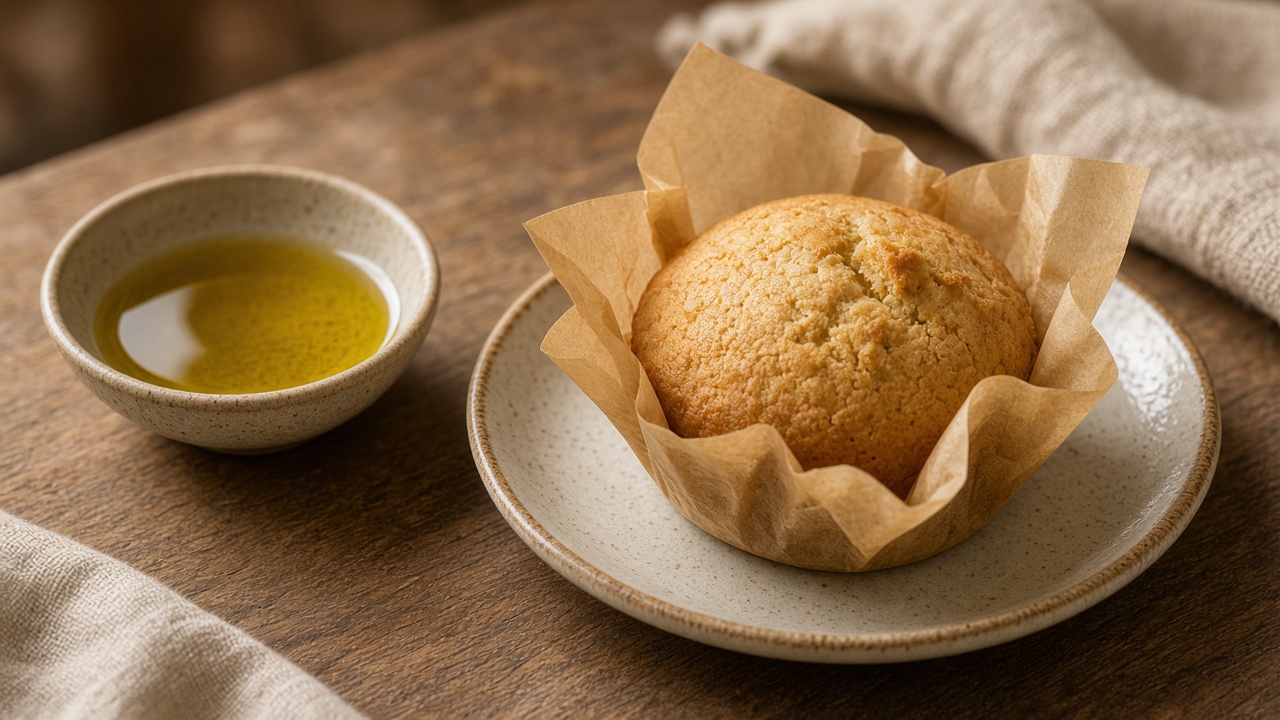
The share is counted from the day’s energy. A label shows its serving, and a package can contain several servings. A serving is not always 100 g. One pastry in a photo is not the percent of the day.
Brands differ from the per-100 g database guide. Dry and cooked weight should not be confused, although trans fat more often sits in industrial pastry than in porridge. This page does not apply a cooking-swell coefficient.
Sweets and trans fat are often in one box, but they are different shares
Free sugars are to 10 percent of energy. Trans fats are to 1. A pastry can touch both shares at once. Closing one does not mean closing the other. Water instead of a sugary drink does not remove trans fat from dough.
A sweetener does not treat trans fat: WHO does not advise NSS for weight control. Replacing sugar with a packet does not erase the fat in the product.
The share does not become a hunt for a product
The source does not publish a list of brands. It publishes a share. The person looks at the ingredients of their own pack, if they look. The article does not declare all pastry forbidden and does not declare it harmless.
A photo in ScanDish is a draft of food. Industrial fat is not captioned in the picture until the person has accounted for the product. Walking minutes do not buy this share.
What this text draws on
- WHO Healthy diet fact sheet: energy intake in balance with expenditure; fruit and vegetables ≥400 g/day; free sugars <10% of energy (below 5% for further benefit); fat <30%; saturated fat <10%; trans fat <1%; salt <5 g/day; unsaturated fats (fish, avocado, nuts, vegetable oils) preferred to saturated and industrial trans fats.
- FDA Nutrition Facts: energy is stated per labeled serving; a package can contain several servings. A labeled serving is not always 100 g.
- PREDIMED, Estruch et al., NEJM: adults who already had high cardiovascular risk. A Mediterranean pattern with extra-virgin olive oil or with nuts was compared with advice to eat less fat. The Mediterranean groups had fewer major cardiovascular events. The 2013 paper was retracted and republished in 2018 because of randomization problems; the republication kept the finding of fewer events. Not a weight-loss trial. Do not give a percent or a hazard ratio.
A short paraphrase of open guides and reviews (WHO, national recommendations, peer‑reviewed summaries). Not a quotation and not a treatment protocol.
Short answers
Is 1% trans fat a quota to be eaten?
No. It is the top of the limit for industrial trans fats. Unsaturated fats are preferred: fish, avocado, nuts, vegetable oils.
Does olive oil fall inside this 1%?
No. Oil is named among the preferred unsaturated fats. Industrial trans fats are another shelf.