Saturated fat under 10% is not a ban on every fat
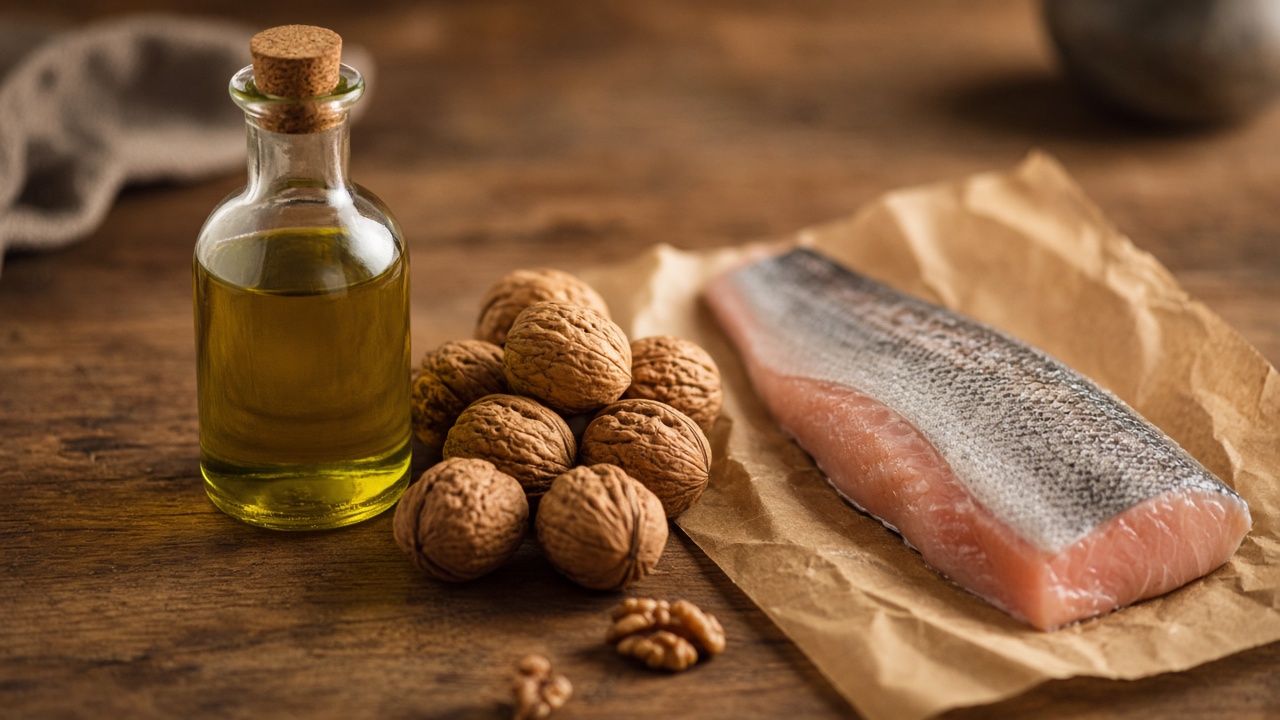
Both WHO and the Dietary Guidelines keep saturated fat under 10 percent of energy or calories. All fat at WHO is under 30 percent, and the preference goes to unsaturated fats: fish, avocado, nuts, vegetable oils.
Three shelves of fat
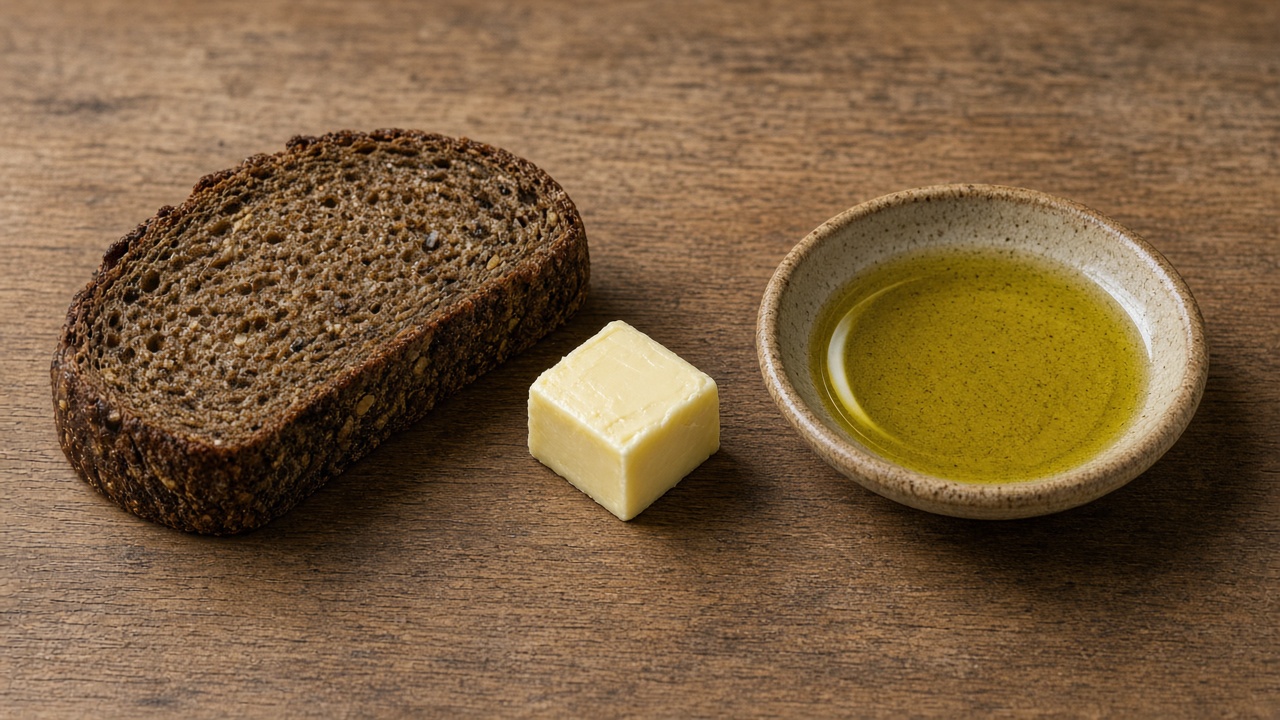
The first shelf is all fat, under 30 percent of energy. The second is saturated fat, under 10. The third is industrial trans fat, under 1. Butter sits closer to the second shelf, vegetable oil to the preference for unsaturated fats. Mixing them into one ban of “fat is forbidden” erases the shelves.
DASH puts vegetable oils in the picture of the plate and reduces fatty meat and sweets. That agrees with the second shelf and is not a weight race. The DASH trial looked at blood pressure, with no millimeters in this paraphrase.
10% is not assigned from a photo of a pat of butter
The share is counted from the day’s energy, not from one pat. A label gives fat per its serving, there may be several servings, and a serving is not always 100 g. A picture does not add up the percent of the day.
A ScanDish draft confirms that oil or fish was there, after the person confirms it. Whether the fat is saturated, the person checks from the food, not from a golden color in the photo.
A walk does not buy the share
150 minutes do not raise the ceiling of 10 percent. The reward is not food and not butter. PREDIMED was not a weight-loss trial and did not cancel the shares: extra-virgin oil there was part of the Mediterranean group in people who already had high risk, with no percent in our paraphrase.
Nuts and avocado are named by WHO among the preferred foods, not among “unlimited.” 30 percent for all fat remains.
For whom 10% does not replace an instruction
A clinician may have limited fat differently. The fact sheet is a population share. Kidneys and a diet already prescribed matter more than the paragraph.
This article does not issue the adult share to children as their menu. Added sugar and saturated fat in the US guidelines are each limited to their own 10 percent from age two, and those are two different shares.
What this text draws on
- WHO Healthy diet fact sheet: energy intake in balance with expenditure; fruit and vegetables ≥400 g/day; free sugars <10% of energy (below 5% for further benefit); fat <30%; saturated fat <10%; trans fat <1%; salt <5 g/day; unsaturated fats (fish, avocado, nuts, vegetable oils) preferred to saturated and industrial trans fats.
- Dietary Guidelines for Americans, 2020–2025, and USDA MyPlate: a nutrient-dense pattern shaped by culture and budget; added sugars <10% of calories from age 2; saturated fat <10%; sodium <2,300 mg/day; half the plate fruits and vegetables; half of grains whole; varied protein foods; low-fat or fat-free dairy or fortified soy. Drinking less is better than drinking more; not drinking is an option.
- PREDIMED, Estruch et al., NEJM: adults who already had high cardiovascular risk. A Mediterranean pattern with extra-virgin olive oil or with nuts was compared with advice to eat less fat. The Mediterranean groups had fewer major cardiovascular events. The 2013 paper was retracted and republished in 2018 because of randomization problems; the republication kept the finding of fewer events. Not a weight-loss trial. Do not give a percent or a hazard ratio.
A short paraphrase of open guides and reviews (WHO, national recommendations, peer‑reviewed summaries). Not a quotation and not a treatment protocol.
Short answers
Is vegetable oil banned as fat?
No. WHO places vegetable oils among the preferred unsaturated fats. The limit on saturated fat is a separate shelf, under 10 percent.
Is 10% saturated fat a target to be filled?
No. It is the top of a share, not a quota to be met with butter.