A labeled serving is not the whole day and not always 100 g
The FDA states energy per labeled serving, and a package can contain several servings. A labeled serving is not always 100 g. A per-100 g database and a label can be looking at different weights.
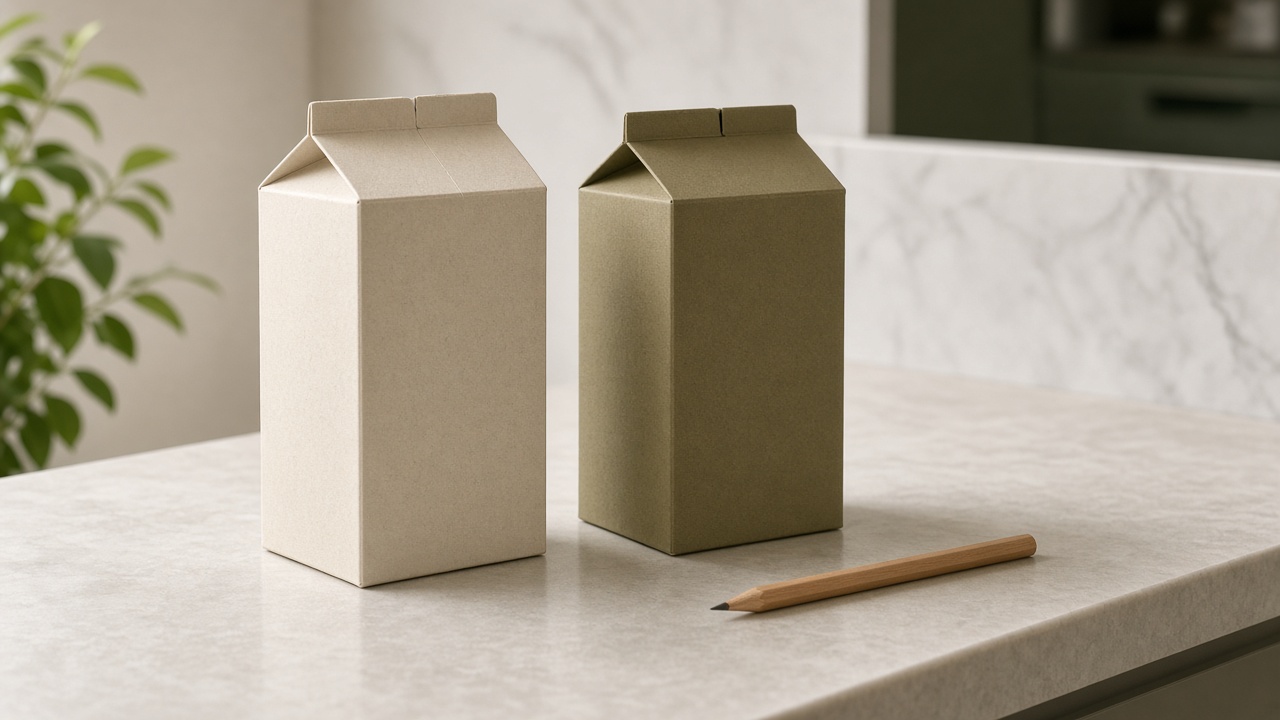
Two different “servings”
A labeled serving is what the maker put in the table. 100 g is how USDA gives a guide, and brands differ from that guide. Eating a pack that says “2 servings” and logging one line of the label means taking half the energy of the pack. Eating 100 g and logging a 30 g row is an error the other way.
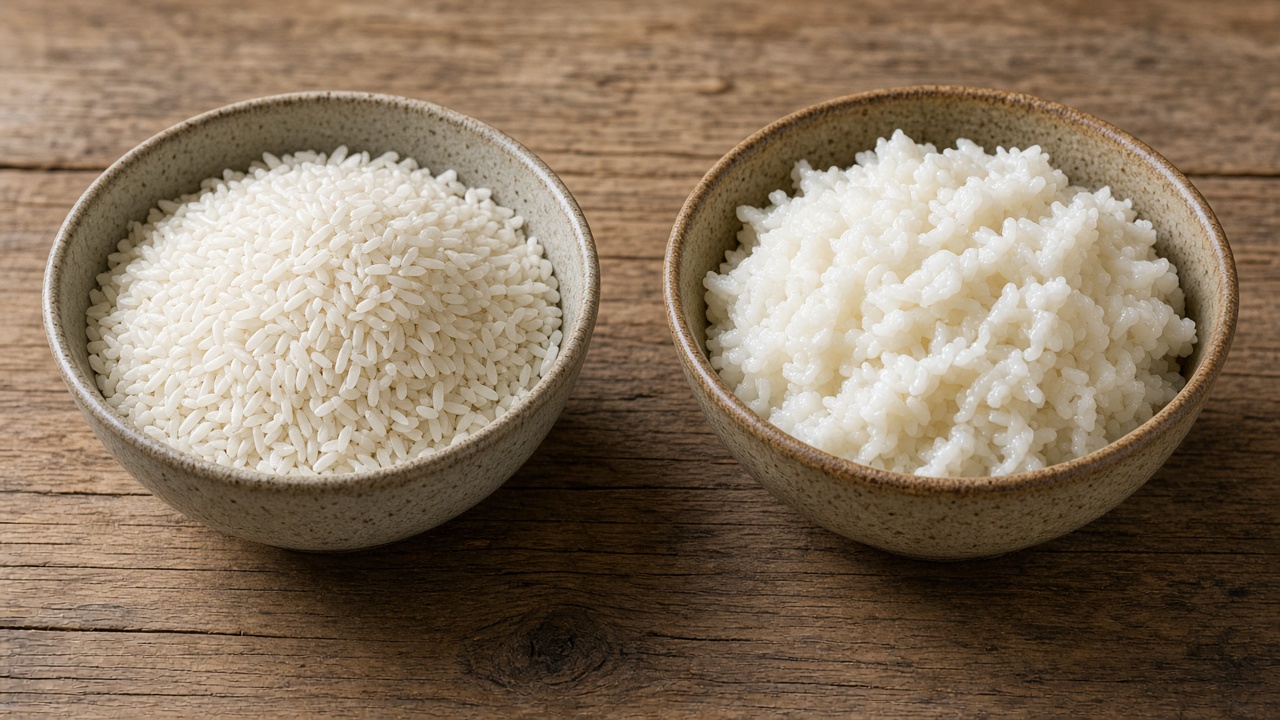
A dry product on a label is often listed dry. A cooked plate is heavier because of water. Carrying a dry serving onto a cooked weight without a caveat spoils both the label and the database. A “it tripled” coefficient is not used.
A percent on the label is not the percent of the day
The WHO and Dietary Guidelines shares are about the day’s energy: free sugars to 10 percent, saturated fat to 10, sodium to 2,300 mg, fat to 30 percent of energy. A percent on one label is calculated from its serving and from the daily value on the label, not from the person’s plate across the day.
The newer daily value for vitamin D on labels is 20 mcg, or 800 IU. The older one was 400 IU. So the same supplement could change from “100%” to “50%” without changing its contents. That is about the caption, not about need suddenly falling. The NIH recommendation for ages 19–70 is still 15 mcg, or 600 IU, and from age 71 it is 20 mcg.
A draft does not read the pack by itself
A photo of food in ScanDish stays a draft until the meal and the day are confirmed. A picture of a pack, if the servings cannot be read on it, does not replace the person’s own look. Confirming, the person checks whether it is one labeled serving or the whole pack, and whether the weight is dry or already a plate.
A database guide is a guide. The brand on the table may not match the row. That is a normal USDA caveat, not a failure of the diary.
A label does not prescribe the target
It does not replace 0.83 g of protein per kg, does not replace 25 g of fiber, and does not replace the minute range. It reports what is in the stated serving. The day is assembled from what was eaten, not from the percent on the box.
A clinical diet, if one is prescribed, matters more than both the label and a popular target. The question “may I have this pack” in illness belongs with a clinician.
What this text draws on
- FDA Nutrition Facts: energy is stated per labeled serving; a package can contain several servings. A labeled serving is not always 100 g.
- USDA FoodData Central: guides per 100 g; brands differ. A dry-food row is not a cooked portion, because water changes the weight. Do not use a “rice triples” factor.
- NIH Office of Dietary Supplements, vitamin D: it helps the body absorb calcium and is needed for bones, muscles, nerves, and immune defense. Recommended amounts: adults 19–70 years, 15 mcg (600 IU) a day; age 71 and older, 20 mcg (800 IU); pregnancy and lactation, 15 mcg (600 IU). One mcg equals 40 IU. The figure assumes minimal sun, although sunlight is a major source for some people. Too much vitamin D cannot come from sunshine, because the skin limits production. Extremely high levels almost always come from supplements and can cause kidney failure, an irregular heartbeat, and death. The daily upper limit for adults is 4,000 IU. The newer FDA Daily Value on labels is 20 mcg (800 IU); the older one was 400 IU. Other countries and societies give different figures; the United Kingdom, for example, uses 10 mcg (400 IU) from age 4. This article does not prescribe a dose.
A short paraphrase of open guides and reviews (WHO, national recommendations, peer‑reviewed summaries). Not a quotation and not a treatment protocol.
Short answers
If the pack says two servings, log one figure?
Only if one serving was eaten. Energy on the label is stated per serving, and a package can contain several servings.
Is 100% on a vitamin D bottle the NIH target?
Not necessarily. The daily value on the newer label is 20 mcg (800 IU), and the NIH recommendation for ages 19–70 is 15 mcg (600 IU). The older caption of 400 IU still turns up. The percent on the bottle is about the caption, not a prescription.