A trial and an eating plan are not the same
The 1997 paper by Appel and colleagues is a trial report: a pattern with vegetables, fruit, and low-fat dairy lowered blood pressure against a typical American diet. The NHLBI eating plan is a separate public document under the same DASH name: sodium there is listed as 2,300 mg or as a 1,500 mg version, and that is not a rerun of the trial in every kitchen.
What the 1997 paper did
The NEJM paper by Appel and colleagues compared patterns of eating. The experimental pattern was richer in vegetables, fruit, and low-fat dairy and lower in saturated fat. Against a typical American control diet, blood pressure fell. That is a sentence about a trial, and a blood-pressure magnitude is not part of it.
The trial answers a comparison question under the conditions in which it was run. It does not hand the reader a personal menu form for the week, and it does not promise that any dish labeled DASH will repeat the outcome. A name on a recipe-book cover is not the same as a result line in a journal. Mixing those genres assigns someone else’s report to a kitchen.
What the NHLBI plan assembled
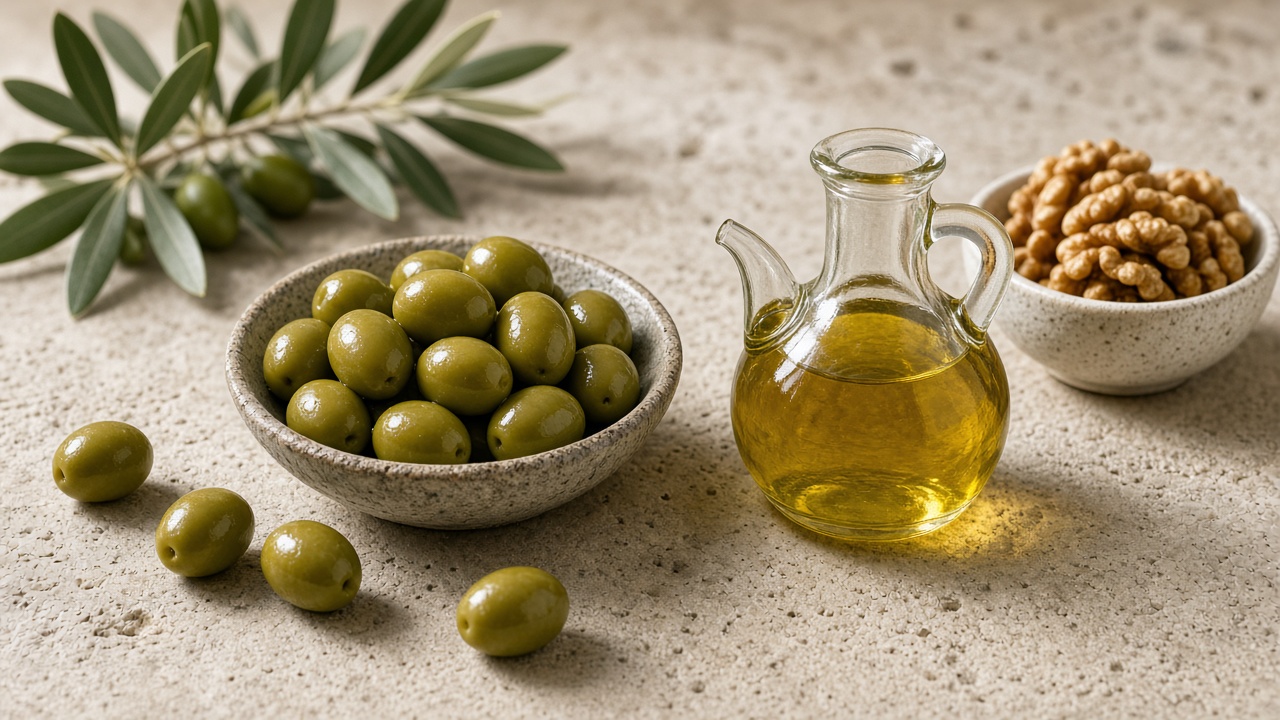
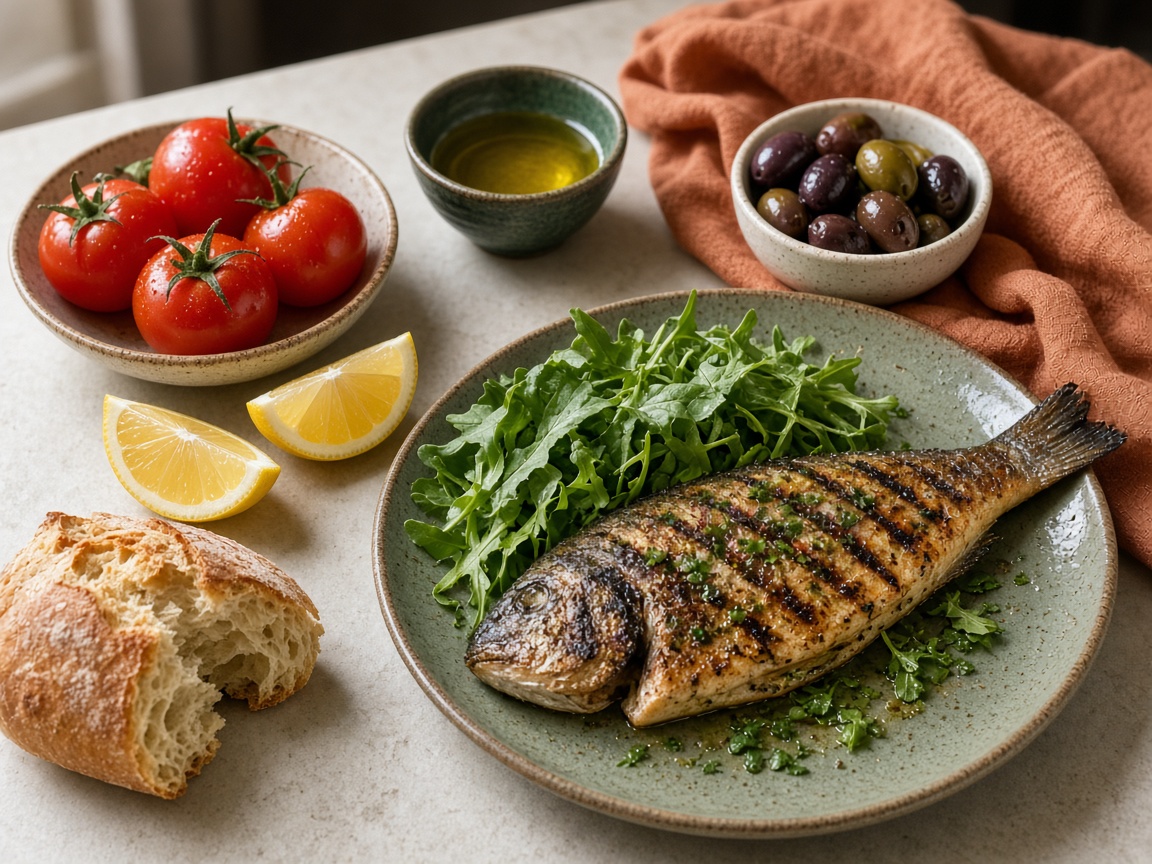
The DASH eating plan describes a set of foods: vegetables, fruit, whole grains, low-fat dairy, fish, poultry, beans, nuts, and vegetable oils. It has less fatty meat, fewer sweets, and fewer sugary drinks. The plan was studied for blood pressure. It is explicitly not a crash-loss scheme and it does not give permission to eat everything.
The plan is a public menu frame built from that pattern of eating. It can be read as a description of a plate, not as a fresh enrollment of the 1997 participants. A person who puts beans and vegetables on a plate is repeating foods from the plan. That person does not become a newly randomized participant in the Appel paper.
Two lines about sodium
In the NHLBI plan, sodium is written as two versions: 2,300 mg and a lower version of 1,500 mg. The Dietary Guidelines for Americans, 2020–2025, separately keep sodium under 2,300 mg a day as a guideline figure. The shared number 2,300 does not merge the plan, the guidelines, and the 1997 paper into one text. The 1,500 mg version, in this retelling, is a property of the DASH plan.
In the allowed retelling, the 1997 paper does not state its result as a sodium figure and does not state it as a blood-pressure figure. It cannot be said that the fall in pressure “equals” a move from 2,300 mg to 1,500 mg: the source gives no such identity. The plan’s sodium and the trial’s outcome remain different sentences. They sit side by side only when each sentence is signed with the document it came from.
What is lost if the documents are glued
Gluing the documents sounds convenient: one DASH name, so one piece of advice for every case. Then the trial starts promising a menu, and the plan starts sounding like a personal blood-pressure result. Both promises are wider than the sources. The page keeps them apart so that neither blood pressure nor sodium picks up extra precision.
For the heart in an everyday sense it is more useful to see the pattern of food the plan lists, and to remember that the trial compared such a pattern with a typical American diet. That is not permission to salt freely and not a ban invented beyond 2,300 mg and 1,500 mg. Questions about one’s own blood pressure and treatment go to a clinician. The paper and the plan do not close that visit.
What this text draws on
- DASH, Appel et al., NEJM 1997: a pattern higher in vegetables, fruit, and low-fat dairy and lower in saturated fat lowered blood pressure compared with a typical American control diet. Do not give millimeters of mercury.
- NHLBI DASH Eating Plan: vegetables, fruits, whole grains, low-fat dairy, fish, poultry, beans, nuts, vegetable oils; less fatty meat, sweets, and sugary drinks; sodium 2,300 mg or a 1,500 mg version. Studied for blood pressure, not as a crash plan and not as permission to eat everything.
- Dietary Guidelines for Americans, 2020–2025, and USDA MyPlate: a nutrient-dense pattern shaped by culture and budget; added sugars <10% of calories from age 2; saturated fat <10%; sodium <2,300 mg/day; half the plate fruits and vegetables; half of grains whole; varied protein foods; low-fat or fat-free dairy or fortified soy. Drinking less is better than drinking more; not drinking is an option.
A short paraphrase of open guides and reviews (WHO, national recommendations, peer‑reviewed summaries). Not a quotation and not a treatment protocol.
Short answers
Are the NHLBI plan and the 1997 paper one document?
No. The paper is a report of a diet comparison and of blood pressure without a magnitude. The plan is a public menu with sodium at 2,300 mg or 1,500 mg.
Is the 2,300 mg figure in the US guidelines the DASH result?
No. In the Dietary Guidelines that threshold is a separate sodium guide. Matching one version of the plan does not turn it into the blood-pressure magnitude from the 1997 paper.