The DASH trial lowered blood pressure and is not reported here in millimeters
In 1997 Appel and colleagues in NEJM compared a pattern higher in vegetables, fruit, and low-fat dairy and lower in saturated fat with a typical American control diet. Blood pressure fell. This paraphrase does not give millimeters of mercury.
What was compared
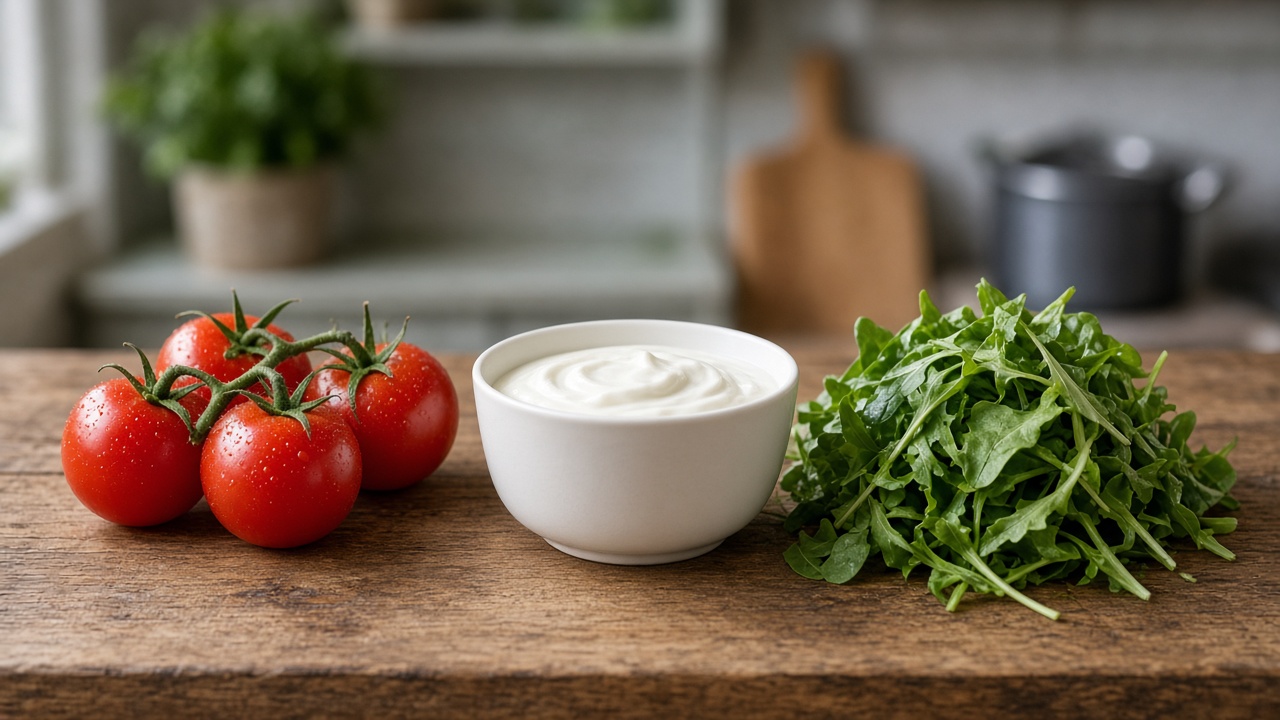
Not a tablet and not hunger. A food pattern was compared: more vegetables, fruit, and low-fat dairy, less saturated fat, against a typical American control. The NHLBI plan describes a close pattern also with whole grains, fish, poultry, beans, nuts, and vegetable oils, and less fatty meat, sweets, and sugary drinks.
Sodium in the plan is 2,300 mg or a 1,500 mg version. The trial, in our source line, is not reduced to one of those figures, and this page does not assign millimeters to either 1,500 or 2,300. WHO salt in grams, under 5 g, stays a different unit.
What the result does not promise
It does not promise kilograms. Rapid loss, minus 20 pounds in two weeks, is an unrealistic goal from another page. A pace of 1 to 2 pounds a week is not a DASH result either. A modest 5 percent of 200 pounds is a CDC example, not a line of the 1997 NEJM paper.
It does not promise that one plate of vegetables on a random day repeats the trial. The subject is a pattern in a comparison of groups. A reader without a blood-pressure measurement does not become a participant.
PREDIMED is a different trial
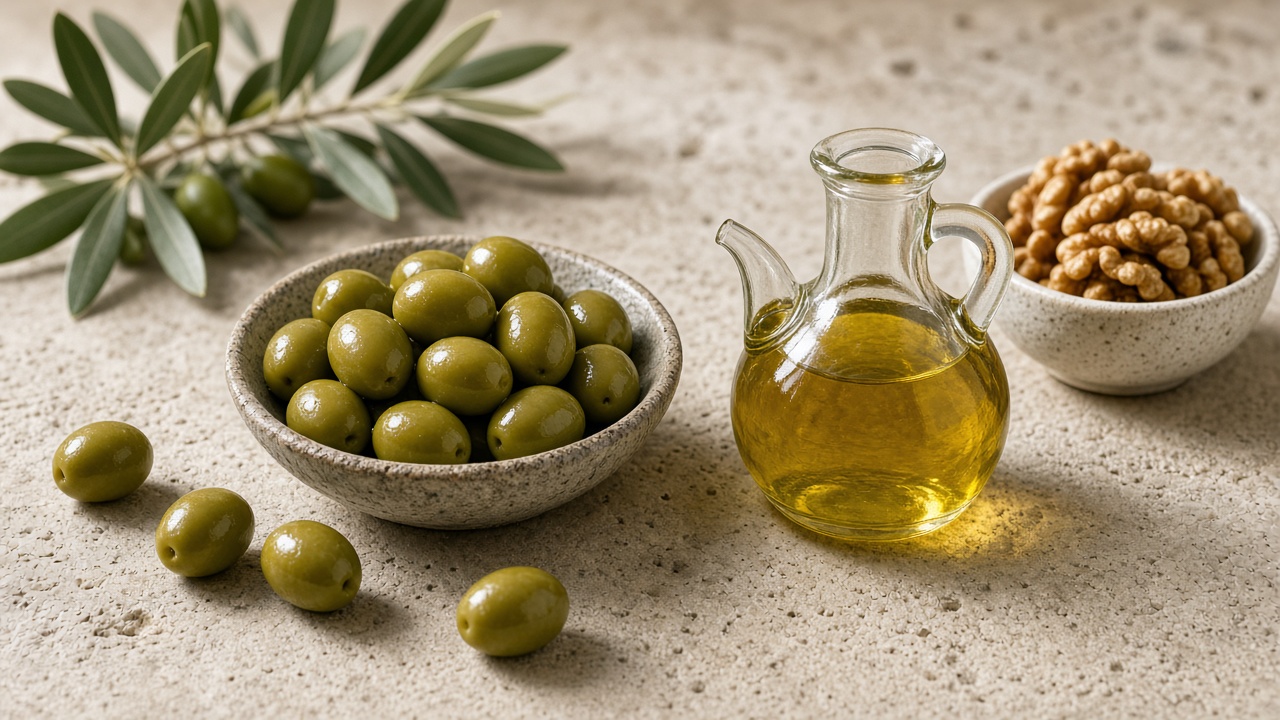
PREDIMED looked at people who already had high cardiovascular risk and compared a Mediterranean pattern with oil or nuts against advice to eat less fat. The Mediterranean groups had fewer events. That is not DASH, not millimeters of pressure, and not weight loss. The retraction and the 2018 republication belong to PREDIMED, not to the Appel paper.
Both trials respect vegetables. It does not follow that they can be added into one percent of benefit. This page does not print percents.
A plate does not wear the trial’s name
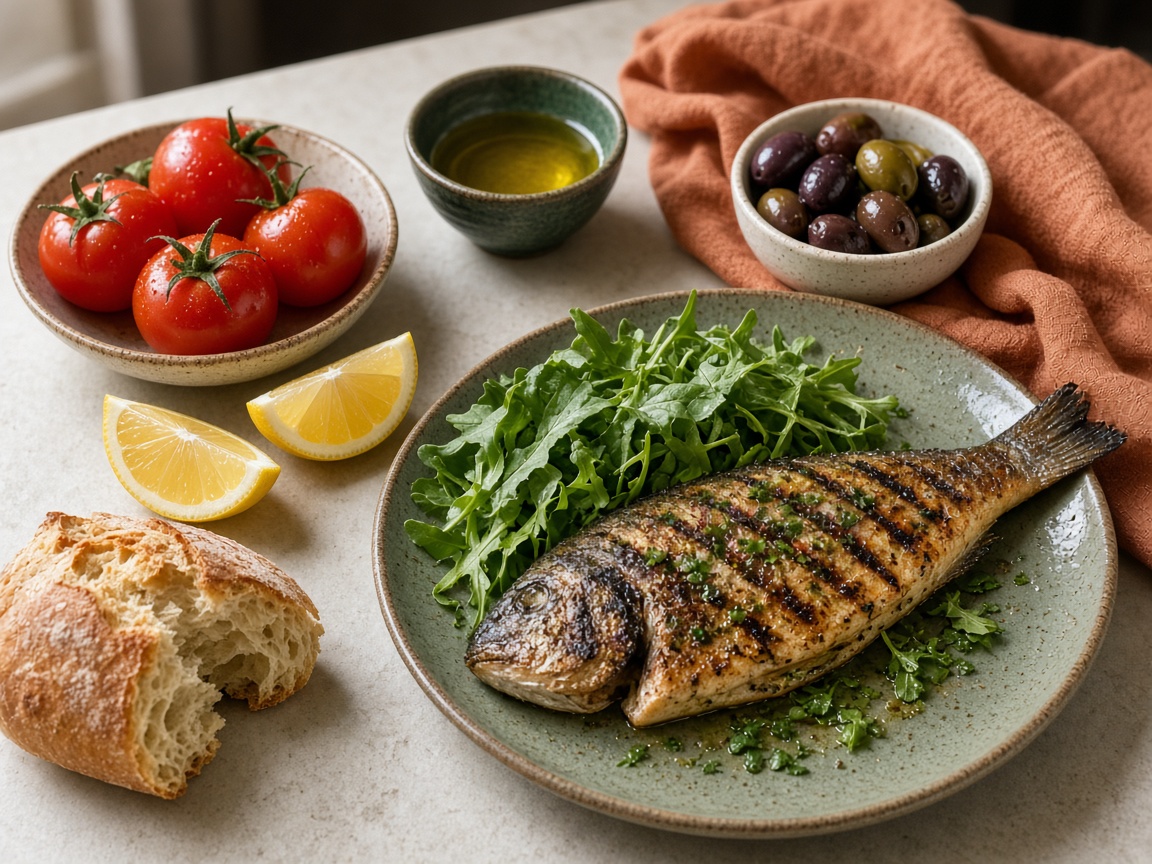
A photo of food confirms foods after the person confirms it. It does not know blood pressure and does not assign a “DASH” group. Sodium is not visible in the picture.
The trial does not cancel blood-pressure medicines. The question of one’s own figures belongs with a clinician. The CDC’s clinical options for weight loss also belong with a clinician, and they are not a continuation of DASH.
What this text draws on
- DASH, Appel et al., NEJM 1997: a pattern higher in vegetables, fruit, and low-fat dairy and lower in saturated fat lowered blood pressure compared with a typical American control diet. Do not give millimeters of mercury.
- NHLBI DASH Eating Plan: vegetables, fruits, whole grains, low-fat dairy, fish, poultry, beans, nuts, vegetable oils; less fatty meat, sweets, and sugary drinks; sodium 2,300 mg or a 1,500 mg version. Studied for blood pressure, not as a crash plan and not as permission to eat everything.
- PREDIMED, Estruch et al., NEJM: adults who already had high cardiovascular risk. A Mediterranean pattern with extra-virgin olive oil or with nuts was compared with advice to eat less fat. The Mediterranean groups had fewer major cardiovascular events. The 2013 paper was retracted and republished in 2018 because of randomization problems; the republication kept the finding of fewer events. Not a weight-loss trial. Do not give a percent or a hazard ratio.
A short paraphrase of open guides and reviews (WHO, national recommendations, peer‑reviewed summaries). Not a quotation and not a treatment protocol.
Short answers
By how many millimeters does DASH lower blood pressure?
This paraphrase does not give millimeters. The source asks not to give them. It is said only that blood pressure fell compared with the control diet.
Are DASH and PREDIMED one study?
No. DASH is about blood pressure and a different plate, in 1997. PREDIMED is about events in people at high risk, with its own history of retraction and republication.